
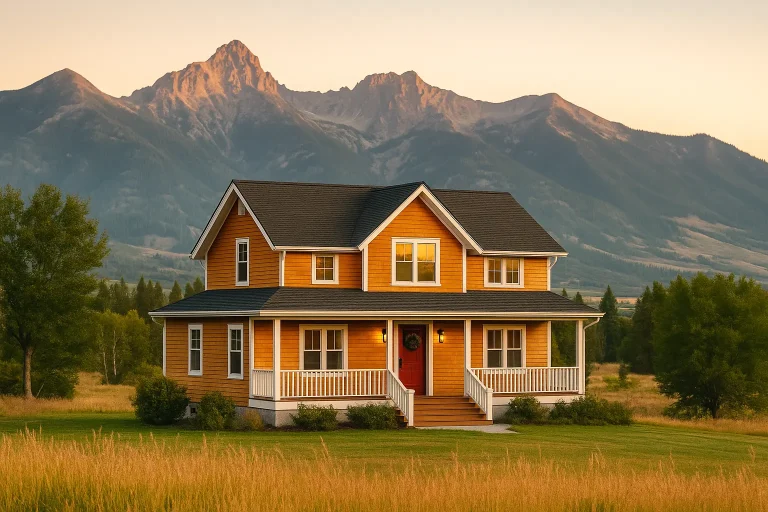
Owning a home in Montana is as rewarding as it is challenging. With breathtaking landscapes and a tight-knit community, homeownership here can feel like a dream. However, the region’s unique environment and risks mean homeowners must be extra vigilant when it comes to protecting their investment.
Sadly, many Montana homeowners unknowingly make costly insurance mistakes that leave them vulnerable in times of need. Below, we’ll explore the top five insurance mistakes and provide actionable tips to help you avoid them. By taking the right steps, you can rest easy knowing that your home and family are secure.
1. Underinsuring Your Home
Imagine a severe storm damages your home, and your insurance payout doesn’t even come close to covering the repair costs. It’s a situation no homeowner wants to face, yet it’s surprisingly common. Underinsuring a home often happens when homeowners base their coverage on outdated valuations or focus solely on the market price of their home.
What many forget is that the market price and the actual cost to rebuild can be vastly different. For instance, labor and material prices fluctuate regularly, especially in rural areas like Montana. If those costs skyrocket after a disaster, you could find yourself covering the gap out of pocket.
Tip: Work with your insurance agent to calculate the actual replacement cost of your home, not just its market value. Be sure to update your coverage after significant renovations or upgrades. Scheduling regular reviews (at least annually) ensures your policy keeps up with changes to your home and the market.
2. Ignoring Flood and Earthquake Coverage
Montana is famous for its diverse geography, from rivers meandering through lush valleys to dramatic fault lines running beneath the land. While these features make it picturesque, they also pose risks. Unfortunately, many homeowners assume their standard home insurance policy covers natural disasters like floods and earthquakes, only to find out too late that these events require separate policies.
For example, living near the Yellowstone River might feel idyllic, but sudden flooding can cause extensive damage, even in areas considered low-risk. Similarly, earthquakes are less frequent but can happen in Montana, especially near fault lines like those around the Rocky Mountains.
Tip: Assess your property’s specific risks. If you live near a water source or in a quake-prone area, talk to your agent about adding flood or earthquake coverage. FEMA flood maps and seismic activity data can help you better understand your risk level, so you can make an informed decision.
3. Not Updating Your Policy
Life is full of changes, and your insurance policy should reflect those shifts. Whether you’ve purchased new valuables, finished a basement, or welcomed a new family member, any significant life update can affect your coverage needs.
One common mistake is forgetting to update a policy after a home renovation. For example, adding a deck, finishing a basement, or installing solar panels increases your home’s value, which should be reflected in your insurance. Leaving your policy unchanged means you might not get full coverage if disaster strikes.
Tip: Schedule an annual insurance review. This is a great time to consider:
- Recent renovations or upgrades
- Changes in your home’s value
- The purchase of high-value items (e.g., jewelry, electronics, or art)
- Shifts in your household size
By staying proactive, you can avoid gaps in protection and unnecessary headaches down the road.
4. Choosing Deductibles Incorrectly
When it comes to deductibles, many homeowners make decisions based too heavily on their current budget. While a low deductible might seem affordable at first glance, it often leads to higher premiums. On the flip side, setting a deductible too high can leave you struggling if a claim arises. For example, opting for a $5,000 deductible to save on premiums might come back to haunt you when you suddenly need to file a claim for roof repairs.
Striking the right balance is key. Your deductible should be an amount you can comfortably afford to pay out of pocket in an emergency.
Tip: Review your financial situation and risk tolerance carefully when choosing a deductible. If you have a robust emergency fund, a higher deductible could be a good way to save on annual premiums. For those with limited savings, a lower deductible might offer peace of mind, even if it means slightly higher monthly costs.
5. Overlooking Liability Coverage
Most homeowners understand the need to protect their home and belongings, but liability coverage often flies under the radar. This is a big mistake considering how important it can be. Liability coverage steps in if a guest gets injured on your property or if you accidentally cause damage to someone else’s property. Without enough coverage, legal and medical expenses can quickly spiral out of control.
For example, imagine someone slips on your icy front walkway and breaks a leg. If your liability limits are too low to cover the medical bills and legal fees, you could end up paying thousands out of pocket.
Tip: Make sure you have sufficient liability coverage to handle potential risks. Most experts recommend at least $300,000, but this depends on your assets and exposure to risk. For even greater protection, consider an umbrella policy, which provides additional liability coverage beyond what standard home insurance offers.
Additional Steps to Protect Your Investment
Once you’ve addressed these common mistakes, there are even more ways to ensure your home insurance works for you:
- Inventory Your Belongings: Keep a current home inventory to simplify the claims process and ensure you’re compensated fairly for lost or damaged items. Apps like Encircle or HomeZada can help you track your belongings.
- Bundle Policies: Many insurers offer discounts if you bundle your home and auto insurance. This can result in significant savings while streamlining your coverage.
- Understand Exclusions: Get familiar with what your policy doesn’t cover. Knowing these exclusions can help you decide whether additional coverage is necessary.
The Bottom Line
Your home is likely one of the biggest investments you’ll make in your lifetime. By avoiding these common insurance mistakes, Montana homeowners can ensure they’re fully protected, no matter what lies ahead. Regular policy reviews, specialized coverage, and a strong understanding of your insurance plan can go a long way toward saving you time, money, and stress.
Don’t leave your home’s protection to chance. Partner with an experienced insurance agent who understands Montana’s unique risks and can provide tailored advice. With the right coverage in place, you can enjoy all the beauty of Big Sky Country without the worry.